7 Reasons Why You Need a Termite Specialist for Accurate Detection and Treatment
Why You Need a Termite Specialist for Accurate Detection and Treatment
When it comes to protecting your property from destructive pests like termites, the importance of a termite specialist cannot be overstated. These professionals have the expertise, advanced detection equipment, and proven treatment methods that homeowners simply cannot replicate on their own.
The Silent Destruction of Termites
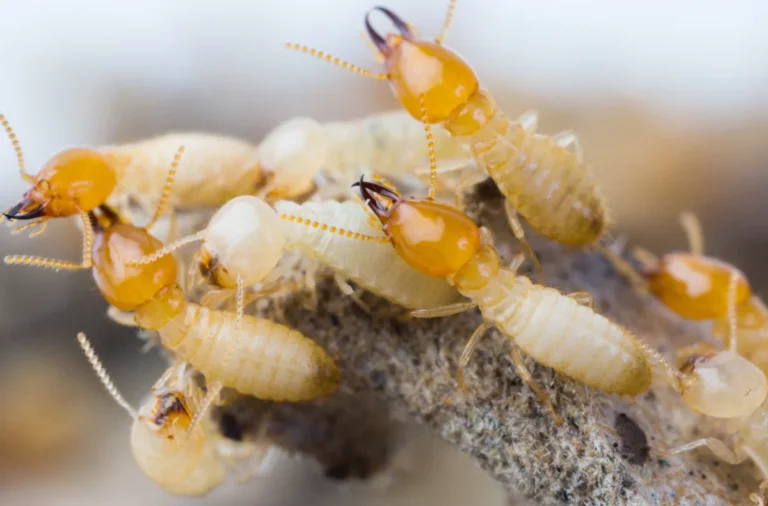
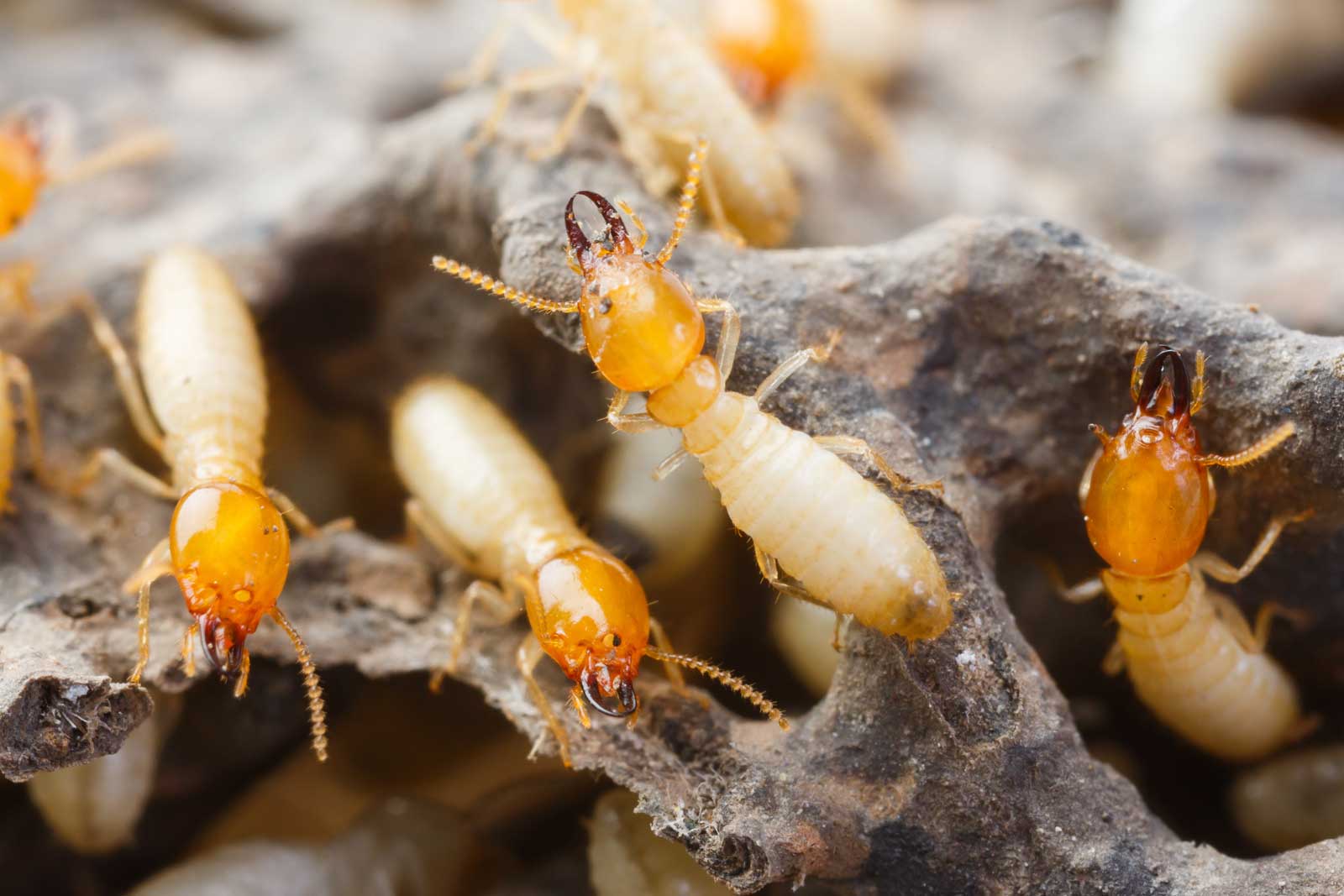
Termites are sneaky creatures that can cause significant damage to your home without you even realizing it. They compromise the structural integrity of your property, often causing thousands of dollars in repairs before homeowners notice any warning signs. These wood-destroying insects operate behind walls, beneath floors, and within foundations—areas that are not easily visible during casual inspections. For peace of mind and effective protection, it’s essential to consult a termite specialist who can identify infestations early and implement targeted solutions.
Why Homeowners Need a Termite Specialist
Here are 7 reasons why you need a termite specialist for accurate detection and treatment:
- Early Identification: Termite specialists have the knowledge and experience to identify infestations at their earliest stages when they are still manageable.
- Targeted Treatments: Unlike generic pest control methods, termite specialists can apply targeted treatments that specifically target the type of termites infesting your property.
- Preventive Measures: In addition to treating existing infestations, termite specialists can also implement preventive measures to protect your investment in the long run.
- Understanding Termite Behavior: Licensed professionals understand how termites behave and can use this knowledge to their advantage when designing treatment plans.
- Recognizing Subtle Indicators: Termite specialists are trained to recognize subtle signs of termite activity that may go unnoticed by untrained eyes.
- Accessing Advanced Technology: Many termite specialists use advanced technology such as thermal imaging cameras and moisture meters to locate hidden colonies that may be difficult to find otherwise.
- Comprehensive Approach: A good termite specialist will take a holistic approach to pest management by addressing both immediate threats and future vulnerabilities.
By hiring a qualified termite specialist, you can ensure that your property remains protected against these relentless invaders.
1. Why Are Termites Difficult to Detect and Why Do They Need Professional Help?
Termites are tricky pests because they operate in secret. They eat wood from the inside out, leaving no visible signs of their presence on the outside. This means that by the time homeowners notice any signs of damage, the termites may have already caused significant harm to the structure of the property.
How Termites Hide
Termite colonies make themselves at home in places where they can’t be easily seen. This includes areas like:
- Inside walls
- Underneath floors
- Within wooden beams
Since these areas are not typically checked during regular maintenance or inspections, it’s easy for termite infestations to go unnoticed for long periods.
The Problem with DIY Approaches
Many homeowners believe that they can identify termite problems just by looking around or that over-the-counter treatments will be enough to keep them away. Unfortunately, this kind of thinking can be expensive when infestations are missed.
DIY methods often lack the accuracy needed to find early-stage colonies or fully understand how bad an infestation is. Without proper training, homeowners might mistake termite damage for water damage or wood rot, which can lead to delays in getting help.
Why Professional Expertise Is Important
Understanding how termites behave is crucial in dealing with them effectively. Different types of termites have different habits—subterranean termites create mud tubes while drywood termites leave behind specific pellets. Spotting these small signs requires the trained eye of a professional who knows about termite biology and can tell apart active infestations from old damage.
By bringing in experts who specialize in pest control, property owners can ensure that any potential termite issues are identified early on and addressed appropriately.
2. How Do Termite Specialists Conduct Thorough Inspections Using Advanced Techniques?
Termite specialists follow a systematic termite inspection process that combines traditional methods with cutting-edge technology to uncover infestations invisible to the untrained eye. The inspection begins with comprehensive visual checks of accessible areas including foundations, crawl spaces, attics, basements, and wooden structures throughout the property.
Visual Checks
Professionals examine telltale signs such as:
- mud tubes along walls
- discarded wings near entry points
- wood-colored droppings
- hollow-sounding timber
They tap wooden beams and joists to detect internal damage that appears sound from the outside.
Specialized Equipment
The real advantage lies in their specialized equipment that reveals what human eyes cannot see:
- Thermal imaging cameras: detect temperature variations in walls and floors caused by termite colonies generating heat
- Moisture meters: identify elevated humidity levels that attract termites and indicate potential nesting sites
- Acoustic sensors: pick up faint clicking and chewing sounds termites make inside walls
- Borescopes: allow inspection inside wall cavities without destructive demolition
This multi-layered approach ensures specialists can map the full extent of an infestation, including colonies hidden behind drywall, under flooring, or within roof structures. They document findings with detailed reports and photographic evidence, providing homeowners with a complete picture of their property’s termite status and the precise locations requiring treatment.
3. What Are the Key Benefits of Early Termite Detection by Professionals?
Early termite detection benefits homeowners by preventing catastrophic structural damage and avoiding repair costs that can spiral into tens of thousands of dollars. Professional specialists catch infestations during their initial stages, when treatment is simpler, less invasive, and significantly more affordable.
The financial stakes are substantial. Undetected termite colonies can compromise load-bearing beams, floor joists, and wall studs within months. Average repair bills for termite damage range from $5,000 to $10,000, though severe cases requiring extensive structural reconstruction can exceed $30,000. These costs don’t include temporary relocation expenses or decreased property value.
Regular professional inspections create a protective shield through consistent monitoring. Specialists identify warning signs invisible to untrained eyes, such as mud tubes forming along foundation walls, subtle wood discoloration indicating moisture intrusion, microscopic entry points in building materials, or early-stage colony establishment near the property.
Cost savings extend beyond immediate repairs. Early intervention prevents the domino effect of structural weakening, where compromised support systems create additional vulnerabilities throughout the building. A $300 annual inspection investment protects against damage that could cost 100 times that amount.
Professional detection also preserves property resale value. Homes with documented termite-free certifications command higher market prices and attract more buyers than properties with infestation histories. This makes a termite inspection essential when purchasing a home, ensuring the property is free from any hidden termite damage before finalizing the purchase.
4. Why Is Professional Treatment Essential for Effective Termite Control?
Professional termite treatment methods deliver results that DIY approaches simply cannot match. Licensed specialists possess the training, equipment, and access to commercial-grade products necessary to eliminate entire colonies, not just visible termites.
The Limitations of DIY Solutions
Store-bought sprays and traps typically address surface-level problems without reaching the colony’s core. Homeowners often misidentify termite species or underestimate infestation severity, leading to inadequate treatment that allows colonies to rebuild. Without proper knowledge of termite behavior and biology, DIY efforts waste time and money while damage continues accumulating behind walls.
Comprehensive Treatment Options
Termite specialists select from multiple professional termite treatment methods based on infestation severity:
- Chemical Barriers: Liquid termiticides applied around foundations create protective zones that kill termites on contact and prevent future entry. These treatments offer long-term protection lasting 5-10 years.
- Baiting Systems: Strategically placed stations contain slow-acting toxins that worker termites carry back to colonies, eliminating entire populations over several months. These require ongoing monitoring and maintenance.
- Fumigation: Severe infestations affecting entire structures demand tent fumigation, where gas penetrates all wood to eradicate termites throughout the building.
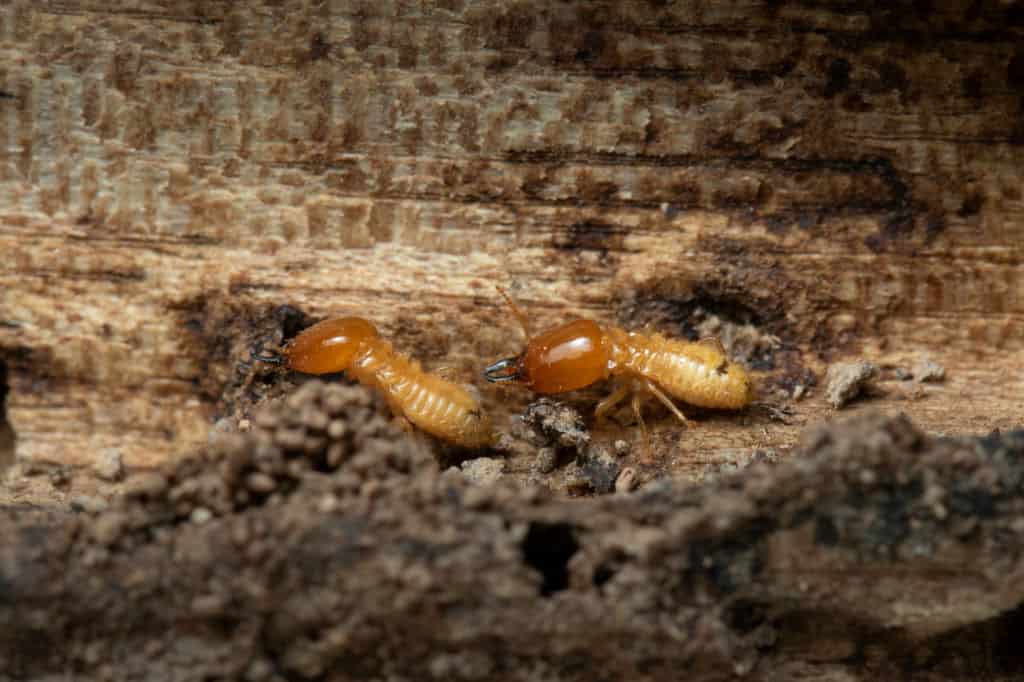
Each method requires specialized certification and equipment that only licensed professionals can provide, ensuring complete colony elimination rather than temporary relief. It’s crucial for homeowners to understand how to select a suitable termite control service and recognize the importance of monitoring and management in effective termite control.
5. How Do Termite Specialists Help Prevent Future Infestations Through Proactive Measures?
Termite specialists focus on long-term protection by identifying and addressing vulnerabilities before new colonies establish themselves. Effective termite prevention strategies go beyond eliminating current infestations—they create hostile environments that deter future attacks.
Professionals conduct detailed property assessments to pinpoint entry points and conducive conditions. They examine foundation cracks, gaps around utility lines, wood-to-soil contact points, and areas with moisture accumulation. This systematic evaluation reveals weaknesses that homeowners often overlook.
Based on their findings, specialists recommend tailored barrier systems:
Physical Barriers
- Stainless steel mesh installed during construction or renovation
- Plastic sheeting beneath concrete slabs
- Graded stone particles around foundations that termites cannot tunnel through
Chemical Barriers
- Liquid termiticides applied to soil around perimeters
- Treated wood materials in vulnerable areas
- Reticulation systems that allow periodic chemical reapplication
Specialists also address environmental factors that attract termites. They advise on improving drainage systems, fixing leaky pipes, removing wood debris near structures, and maintaining proper ventilation in crawl spaces. These modifications eliminate moisture problems and food sources that draw termite colonies.
Regular monitoring appointments ensure barriers remain effective. Specialists check for signs of termite activity around treated zones and refresh protective measures as needed, adapting termite prevention strategies to seasonal changes and property modifications.
6. How Do Environmental Factors Attract Termites, And What Can Specialists Do to Reduce These Risks?
Environmental factors termites thrive on create ideal breeding grounds that homeowners often overlook. Excess moisture from leaking pipes, poor drainage systems, or inadequate ventilation transforms your property into a termite magnet. These pests require water to survive and actively seek out damp wood and soil conditions.
Termite specialists identify specific environmental vulnerabilities during their assessment. They examine areas where water accumulates near foundations, inspect gutters that overflow onto wooden structures, and check for condensation issues in crawl spaces. Standing water around your property’s perimeter provides the perfect habitat for subterranean termites to establish colonies.
Professional environmental management strategies address these risk factors systematically:
- Moisture control solutions including improved drainage systems and dehumidifiers in damp areas
- Grading adjustments to redirect water flow away from foundations
- Ventilation improvements in attics, basements, and crawl spaces to reduce humidity levels
- Wood-to-soil contact elimination by removing mulch, firewood, or debris stored against structures
Specialists also identify landscaping issues that contribute to infestations. Dense vegetation touching exterior walls, irrigation systems spraying directly onto wooden siding, and tree stumps left to decay all create pathways for termite access. By incorporating 7 Reasons Why You Need a Termite Specialist for Accurate Detection and Treatment into your property maintenance plan, you address both active infestations and the underlying conditions that attract these destructive pests.
7. Why Should You Trust Only Licensed Termite Professionals With Your Property’s Long-Term Protection?
Licensed termite professionals have verified credentials that show their expertise in pest management and following industry standards. These specialists go through extensive training and certification processes that give them a thorough understanding of termite biology, behavior patterns, and the most effective treatment methods for different species and infestation situations.
The importance of licensed termite professionals goes beyond basic pest control. These experts stay up-to-date with:
- Local building codes and environmental regulations governing pesticide application
- State-specific requirements for termite treatment and reporting
- Updated safety protocols protecting both occupants and the environment
- Insurance coverage that protects homeowners from liability during treatment
Unlicensed operators may use outdated methods or inappropriate chemicals that pose health risks or fail to address the underlying cause of infestations. Licensed specialists provide documented treatment plans, warranties, and follow-up services that create accountability. Their professional liability insurance protects your investment if treatments don’t work as expected, offering financial protection that DIY approaches or unlicensed services cannot match.
Taking Action Against Termites: The Case for Hiring a Specialist
Termite infestations demand immediate professional intervention to protect your property investment. The reasons why you need a termite specialist for accurate detection and treatment demonstrate why expert assistance isn’t optional—it’s essential for safeguarding structural integrity and avoiding devastating financial losses.
Why You Need a Termite Specialist
- Expertise in Detection: Specialists have advanced tools and techniques to identify hidden termite colonies that DIY methods may miss.
- Comprehensive Treatment Strategies: Professionals can develop tailored solutions based on their assessment of the infestation and surrounding environment.
- Long-Term Protection: Termite specialists not only focus on eradication but also implement preventive measures to safeguard your property from future infestations.
The Consequences of Ignoring Termite Infestations
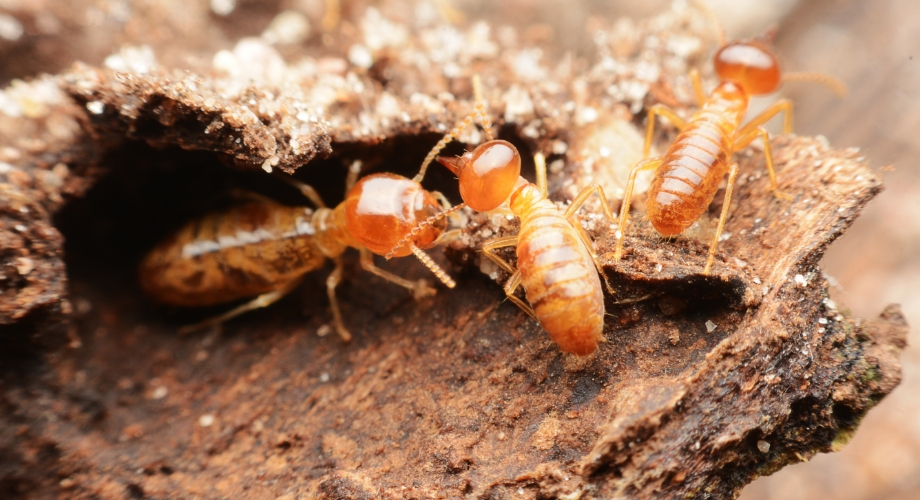
Silent invaders like termites operate undetected until damage becomes severe. By the time you notice signs of infestation, the destruction may already be extensive and costly to repair.
The conclusion on hiring a termite specialist is straightforward: professional care saves money, preserves property value, and provides peace of mind. With average repair costs ranging from $5,000 to $10,000, investing in expert detection and treatment proves far more economical than dealing with unchecked infestations.
Don’t gamble with your property’s future—trust licensed professionals to deliver the thorough protection your home deserves.
See Also: Termite Pest Control Sydney Experts Explain the Most Common Warning Signs