Tree Trimming North Shore: Seasonal Maintenance Tips for Homeowners
Homeowners tend to get the best results when they trim with the seasons, use the right cuts, and know when a job is too risky to DIY.
What makes North Shore tree trimming different from other areas?
North Shore trees often face salt air, strong winds, and storms that can break weak limbs, which is why tree trimming North Shore services are important for maintaining safety and structure. Many properties also have tight setbacks, overhead lines, and neighboring fences, which raises the stakes for poor cuts.
Because conditions are tougher, a “little trim whenever” approach can backfire. A seasonal plan helps keep the canopy balanced and reduces failure points before bad weather hits.
When should they trim in late winter and early spring?
Late winter into early spring is usually ideal for structure and visibility. With less foliage, they can see crossing limbs, weak unions, and crowded branches more clearly.
This is a good time to remove deadwood, correct rubbing branches, and lightly shape young trees for strong structure. They should avoid aggressive topping, which creates weak regrowth and future hazards.
What should they focus on during spring growth?
Spring brings rapid growth, which can quickly push branches over roofs, walkways, and driveways. At this stage, homeowners should focus on clearance and control rather than heavy pruning.
They can reduce fast-growing shoots, keep branches off siding and gutters, and maintain safe headroom over paths. Small, frequent corrective cuts are usually better than one major spring hack job.
How should they handle summer trimming without stressing the tree?
Summer trimming can be useful, but it should be conservative. Cutting too much during heat can stress trees, especially if it removes large portions of the canopy that protect branches from sunscald.
Homeowners should prioritize safety cuts: dead limbs, cracked branches, storm hangers, and low limbs that interfere with use of the yard. If major reduction is needed, they should plan it with an arborist.
Why is fall trimming important before storms hit?
Fall is a practical time for risk reduction before wind and rain events. The goal is to reduce the chance of limb failure without triggering excessive new growth right before winter.
They should thin crowded areas, remove weakly attached branches, and reduce long, overextended limbs that act like sails. Cleanup in fall also helps keep gutters clear and reduces pest habitat around the home.
What are the most common trimming mistakes homeowners make?
The biggest mistakes are topping, over-thinning, and flush cuts. Topping leads to weak, fast regrowth that breaks later, while over-thinning can make trees less stable in wind by shifting the canopy’s balance.
Flush cuts and torn bark wounds slow healing and invite decay. They should aim for proper pruning cuts at the branch collar and avoid removing more than roughly a quarter of the canopy in a single season. Click here to read more about repairing and maintenance for your home.
How can they tell whether a tree needs trimming or removal?
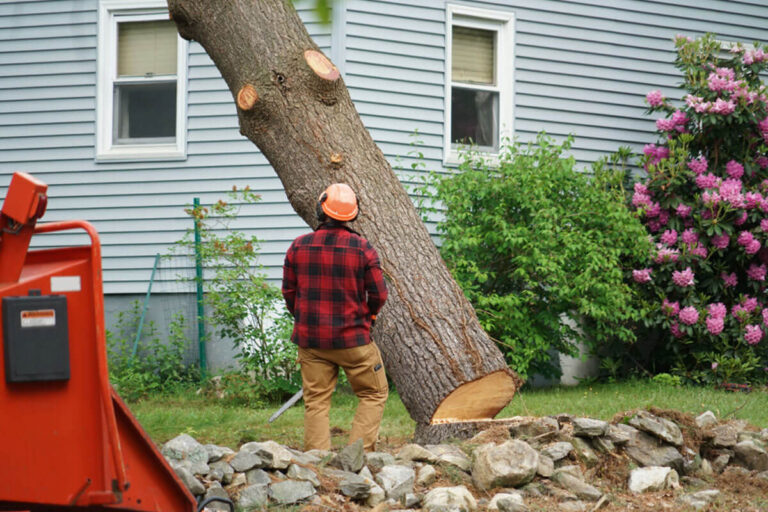
Trimming is usually enough when the tree is healthy but overgrown, imbalanced, or too close to structures. Removal becomes more likely when there is severe decay, major trunk damage, repeated large limb failures, or a clear lean with root issues.
Warning signs include mushroom growth at the base, large cavities, deep cracks, and dead branches concentrated in the upper canopy. When in doubt, they should get an on-site assessment from a qualified arborist.
What tools and safety practices should they use for small jobs?
For small branches, homeowners can use clean, sharp hand pruners and loppers, plus a pruning saw for thicker limbs. They should disinfect tools between trees if disease is a concern and wear eye protection and gloves.
They should never cut above shoulder height from the ground or use a ladder near a saw. If a limb could hit a roof, fence, or power line, that is typically a professional job.
When should they call a North Shore tree trimming professional?
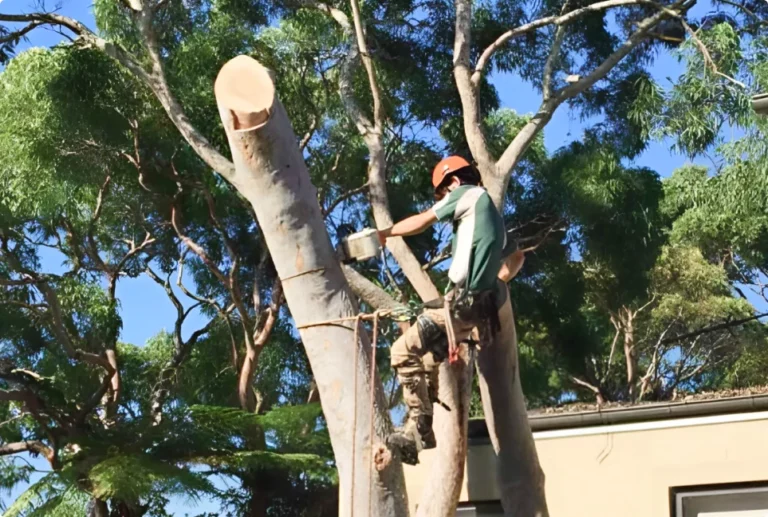
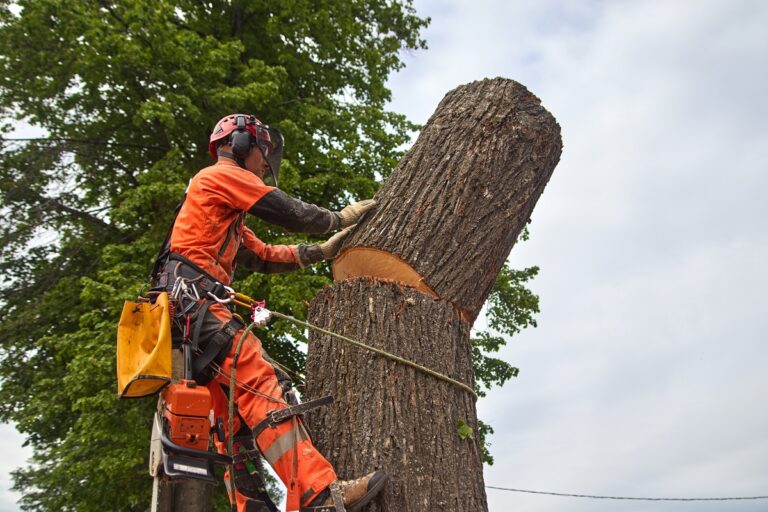
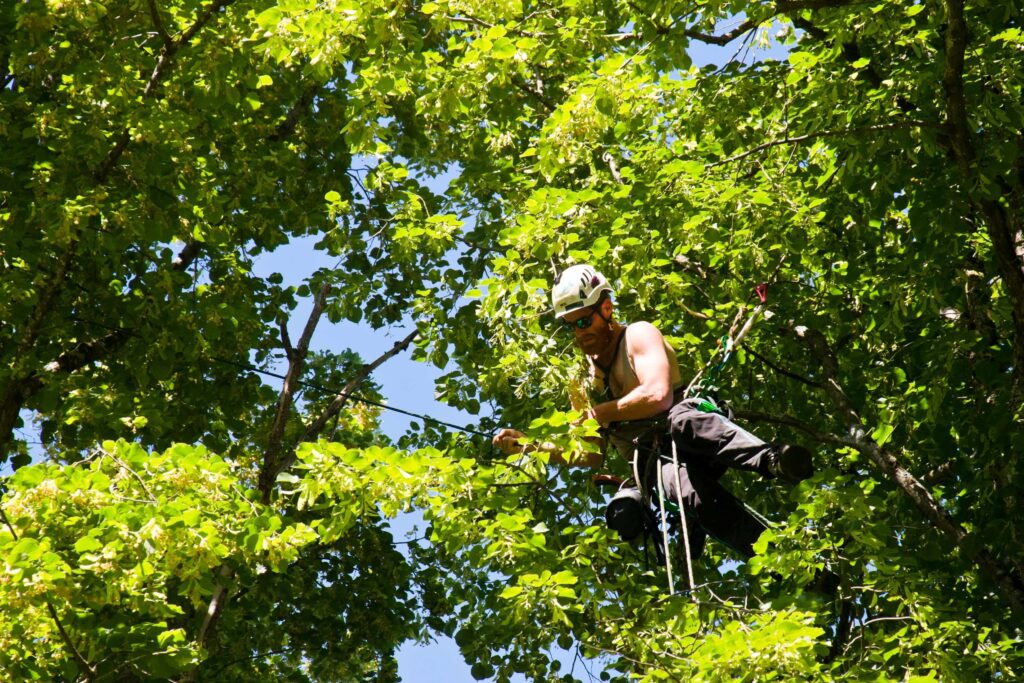
They should call a professional when there are power lines, large limbs, tall canopies, storm damage, or signs of structural weakness. Professionals can also help with crown reduction, risk assessments, and long-term pruning plans that protect tree health.
A good rule is simple: if failure would cause expensive damage or injury, they should not DIY it. The cost of proper trimming is usually far less than a preventable emergency.
What does a simple seasonal trimming checklist look like?
They can keep it simple and consistent. In late winter, they inspect structure and remove deadwood; in spring, they maintain clearance; in summer, they make only safety cuts; and in fall, they reduce storm risk and clean up.
They should also do a quick visual check after major wind events. Catching a split limb early often prevents a bigger failure later. Check out more about stump grinding near me: how long does the process take?
What is the key takeaway for homeowners on the North Shore?
Seasonal trimming works best when they focus on prevention, not appearance-only cuts. Light, correct pruning timed through the year keeps trees healthier, reduces storm damage risk, and avoids costly mistakes.
When the work involves height, heavy limbs, or anything near utilities, they should bring in a professional and treat it as a safety project, not a weekend chore.
FAQs (Frequently Asked Questions)
What makes tree trimming on the North Shore unique compared to other regions?
North Shore trees face challenging conditions like salt air, strong coastal winds, and storms that can break weak limbs. Properties often have tight setbacks, overhead power lines, and neighboring fences, increasing the risks of poor pruning cuts. Therefore, a seasonal trimming plan is essential to maintain balanced canopies and reduce failure points before adverse weather.
When is the best time for tree trimming on the North Shore and why?
Late winter into early spring is ideal for structural trimming and visibility since less foliage allows clear identification of crossing limbs, weak unions, and crowded branches. This period is perfect for removing deadwood, correcting rubbing branches, and lightly shaping young trees for strong structure while avoiding aggressive topping that leads to weak regrowth.
How should homeowners manage spring growth in their trees?
During spring’s rapid growth, focus on clearance and control rather than heavy pruning. Homeowners should reduce fast-growing shoots, keep branches away from roofs, siding, gutters, and maintain safe headroom over walkways. Small, frequent corrective cuts are preferable to one major pruning session to ensure tree health and safety.
What precautions should be taken when trimming trees in summer on the North Shore?
Summer trimming should be conservative to avoid stressing trees during heat. Avoid removing large portions of the canopy that protect branches from sunscald. Prioritize safety cuts such as removing dead limbs, cracked branches, storm hangers, and low limbs interfering with yard use. For major reductions, consult an arborist to plan appropriately.
Why is fall an important season for tree trimming before storms?
Fall trimming helps reduce the risk of limb failure before wind and rain events by thinning crowded areas, removing weakly attached branches, and reducing long limbs that act like sails. It also aids in gutter cleanup and reduces pest habitats around the home without triggering excessive new growth before winter.
When should homeowners consider calling a professional for tree trimming on the North Shore?
Homeowners should hire professionals when dealing with power lines, large limbs or tall canopies, storm damage, or signs of structural weakness. Professionals provide risk assessments, crown reduction, and long-term pruning plans that protect tree health. If potential failure could cause costly damage or injury, it’s safer to avoid DIY and seek expert help.