Termite Pest Control Sydney Experts Explain the Most Common Warning Signs
What Are the Most Common Warning Signs of Termite Infestation in Sydney Homes?
Termite Pest Control Sydney Experts Explain the Most Common Warning Signs that can save homeowners thousands in repair costs. Early detection prevents extensive structural damage that termites cause when left unchecked in Sydney’s warm, humid climate.
Recognizing termite warning signs quickly makes the difference between minor treatment and major renovation. Termite pest control Sydney services help protect homes from these silent destroyers, which can compromise structural integrity within months of establishing a colony.
Mud Tubes: The Termite Highway System
Mud tubes appear as pencil-width tunnels constructed along foundation walls, concrete surfaces, or anywhere wood meets soil. These earthen structures serve as protected corridors that allow termites to travel between their underground colonies and food sources without exposure to air and predators.
The tubes typically measure 6-12mm in diameter and have a muddy, brownish appearance. Termites build these passages using soil, wood particles, and their saliva, creating a humid environment essential for their survival. Breaking open an active mud tube often reveals live termites moving inside.
Homeowners should check for these tubes in several key locations:
- Along exterior foundation walls
- In crawl spaces and basements
- Where wooden structures contact soil
- Behind stored items against walls
- Around plumbing penetrations
Fresh mud tubes indicate current termite activity, while older, dried tubes suggest previous infestations that may still require investigation.
Hollow Wood: The Hidden Damage Indicator
Hollow-sounding wood reveals termites feeding on timber from the inside out while leaving thin outer layers intact. Tapping wooden surfaces with a screwdriver handle produces a distinctive hollow echo when termites have consumed the internal structure.
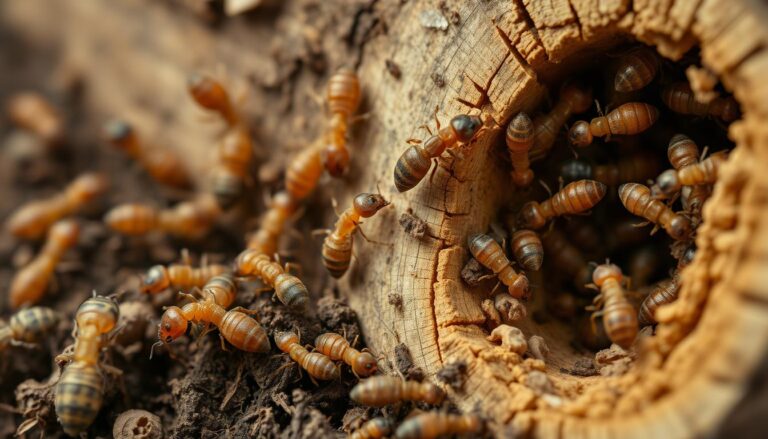
This damage pattern occurs because termites prefer eating softer spring wood while avoiding harder exterior surfaces. The result creates honeycomb-like galleries within beams, studs, and flooring that remain invisible until significant deterioration occurs.
Testing wooden elements throughout the home helps identify compromised areas:
- Skirting boards and baseboards
- Door frames and window sills
- Structural beams and joists
- Wooden flooring and subfloors
- Built-in cabinetry
Wood that feels soft when pressed or shows
How Does Structural Damage Indicate a Termite Problem?
Structural damage termites create often appears gradually, making it one of the most serious yet overlooked warning signs. Termites consume wood from the inside out, leaving only a thin veneer of timber or paint on the surface while hollowing out the structural supports that keep your home stable.
Sagging floors develop when termites feed on floor joists and subfloor supports beneath your feet. The weakened timber can no longer bear weight properly, causing noticeable dips or soft spots when you walk across affected areas. Ceilings exhibit similar problems when termites attack roof trusses and ceiling joists, creating visible drooping or bulging sections overhead. These structural failures typically indicate an advanced infestation that has been active for months or even years.
Recognizing Visible Wood Deterioration
Damaged wood material manifests in several distinct ways that homeowners can identify during routine inspections:
- Warped timber: Appears twisted, bent, or no longer sits flush against adjacent surfaces
- Crumbling wood: Breaks apart easily when touched or probed with a screwdriver
- Blistering paint or wallpaper: Caused by moisture and termite activity beneath the surface
- Tiny pinpoint holes: In drywall or wood trim where termites have broken through
- Frayed or damaged wood edges: Look chewed or irregularly worn
The texture of termite-damaged wood differs significantly from normal wear or water damage. Infested timber often has a honeycomb pattern inside, with galleries and tunnels carved out by worker termites. When you press on affected areas, the wood may feel spongy or give way under slight pressure.
Understanding the Progression of Damage
Termites target the cellulose in wood, which provides them with essential nutrients. They prefer softer spring wood over harder summer growth rings, creating distinctive patterns within damaged timber. A single termite colony can consume approximately one meter of 2×4 timber in six months under optimal conditions.
Door frames and window sills frequently show early signs of termite damage because these areas often trap moisture and provide easy access points. Doors may become difficult to open or close as the surrounding frames warp and shift due to termite activity.
Can Homeowners Hear Signs of Termite Presence?
Yes, termites produce distinct audible noises that alert homeowners to their presence. Clicking sounds termites make inside walls serve as one of the most overlooked warning signs of an active infestation.
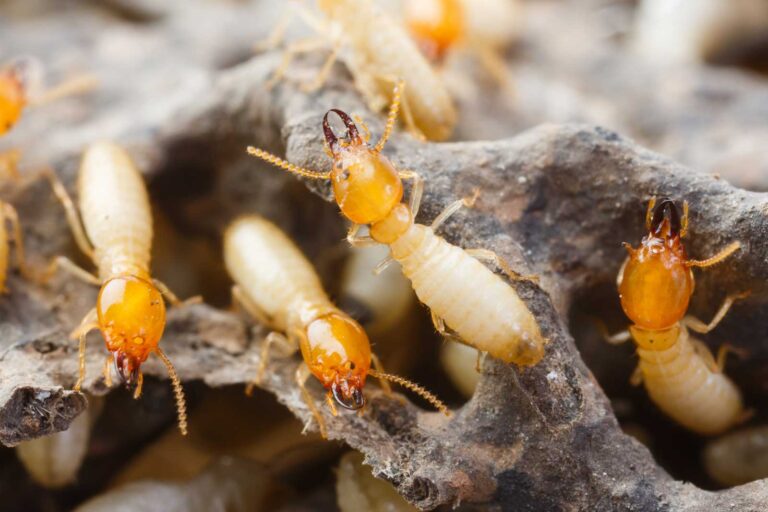
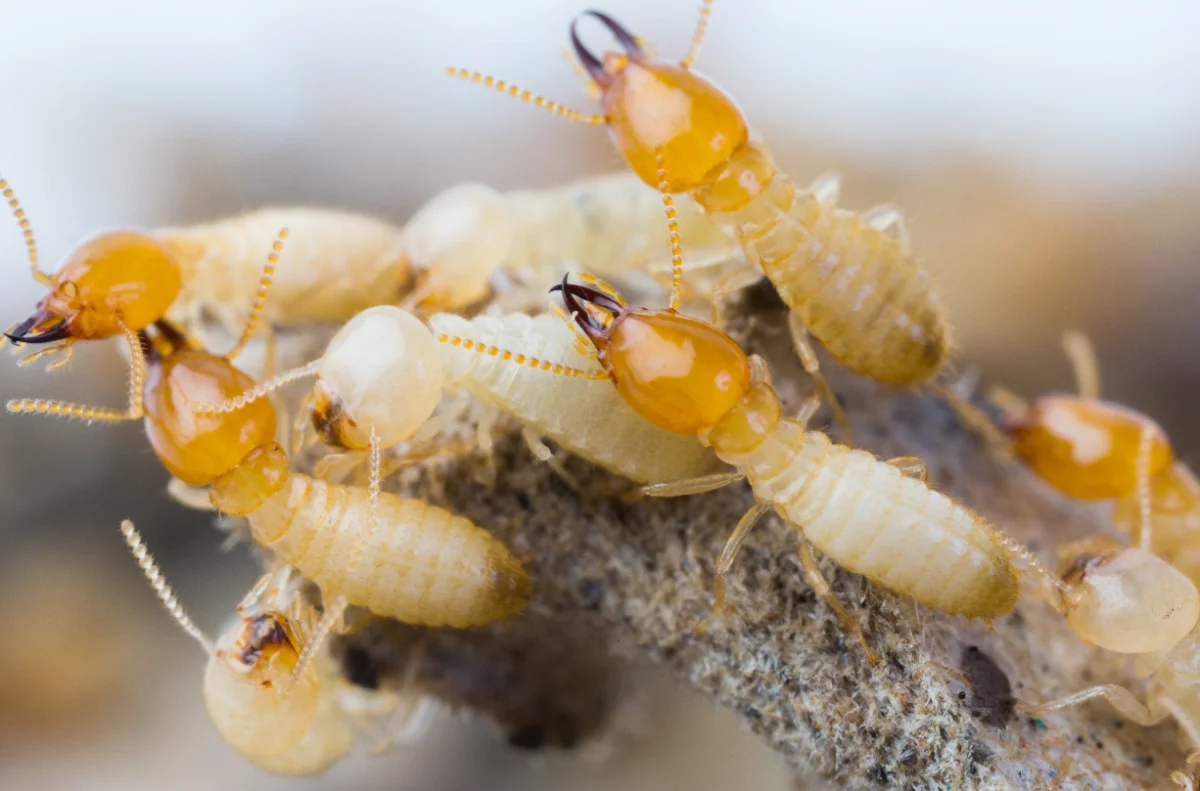
Audible termite noises originate from soldier termites performing their defensive duties within the colony. When these specialized termites detect threats or disturbances near their nest, they bang their heads against tunnel walls and shake their bodies to create rhythmic clicking or tapping sounds. This behavior acts as an alarm system, warning other colony members of potential danger.
Homeowners typically notice these sounds during quiet moments, particularly at night when ambient noise levels drop. The clicking resembles the sound of:
- A watch ticking inside the wall
- Gentle tapping on wood surfaces
- Soft rustling or crackling noises
The intensity and frequency of these sounds correlate directly with colony size and activity level. Larger, more established colonies produce louder and more frequent clicking as they have greater numbers of soldier termites on guard duty.
Where to Listen for Termite Sounds
Focus your attention on areas where termites commonly establish colonies:
- Wall cavities near moisture sources like bathrooms and kitchens
- Wooden beams and support structures in ceilings
- Door frames and window sills showing other damage signs
- Skirting boards along exterior walls
Place your ear directly against suspected areas or use a stethoscope for clearer detection. The sounds become more pronounced when you gently tap the wall surface, triggering defensive responses from soldier termites.
Hearing these clicking sounds termites produce confirms an active infestation requiring immediate professional assessment. The presence of audible activity indicates the colony has reached a size where structural damage is likely occurring behind walls and within hidden timber structures.
What Environmental Factors Increase the Risk of Termite Infestations in Sydney?
Termite Pest Control Sydney Experts Explain the Most Common Warning Signs related to environmental conditions that create perfect breeding grounds for these destructive pests. Moisture accumulation termites thrive on stands as the single most significant risk factor for infestations across Sydney properties.
Leaking pipes create constant water sources that attract termite colonies searching for ideal nesting conditions. The moisture softens wood structures, making them easier for termites to penetrate and consume. Bathrooms, kitchens, and laundry areas with undetected plumbing issues become prime targets for termite activity.
Poor drainage termites risk escalates when water pools around foundation walls or accumulates in crawl spaces beneath homes. Sydney’s occasional heavy rainfall combined with inadequate drainage systems creates standing water that draws termites to the property. Gutters that overflow or downspouts directing water toward the foundation compound this problem.
Climate-Specific Vulnerabilities
Sydney’s warm, humid climate provides year-round conditions that support termite populations. The combination of mild winters and hot summers allows colonies to remain active throughout the year, unlike regions with harsh winter freezes that naturally limit termite activity.
Wooden homes face heightened vulnerability in Sydney’s coastal environment. The humidity levels in suburbs near the harbor or beaches create moisture-rich conditions within timber structures. Wood absorbs atmospheric moisture, maintaining the damp environment termites require for survival.
Older wooden frames present additional risks due to:
- Aged timber that has lost protective treatments over decades
- Existing cracks and gaps that provide easy entry points
- Settlement damage creating spaces between wood and foundations
- Outdated construction methods lacking modern termite barriers
Properties built before 1995, when stricter termite protection standards were implemented, carry substantially higher infestation risks. These homes often feature direct wood-to-soil contact, a construction practice now recognized as inviting termite access.
Inadequate ventilation in subfloor areas traps moisture and creates stagnant air conditions. Blocked air vents or insufficient cross-ventilation prevent moisture from escaping, maintaining the damp environment termites prefer.
Where Should Homeowners Focus Their Regular Termite Inspections?
Foundations and areas where wood contacts soil demand immediate attention during termite inspection areas Sydney homeowners conduct. These zones serve as primary entry points where termites transition from underground colonies into your home’s structure, making them critical checkpoints for detecting mud tubes—the telltale highways termites construct for safe passage.
Foundation Perimeter
The foundation perimeter requires thorough examination every few months. Run your hands along concrete slabs, brick walls, and support pillars, feeling for raised mud trails roughly the width of a pencil. Check wooden posts, deck supports, and fence lines that touch the ground, as these direct wood-to-soil connections eliminate the need for termites to build visible tubes.
Crawl Spaces
Crawl spaces termites favor provide the perfect combination of darkness, moisture, and proximity to food sources. Inspect floor joists, support beams, and subflooring in these areas with a flashlight, looking for:
- Mud tubes running along wooden beams
- Hollow-sounding timber when tapped
- Small holes or cracks in wood surfaces
- Frass (termite droppings) resembling sawdust
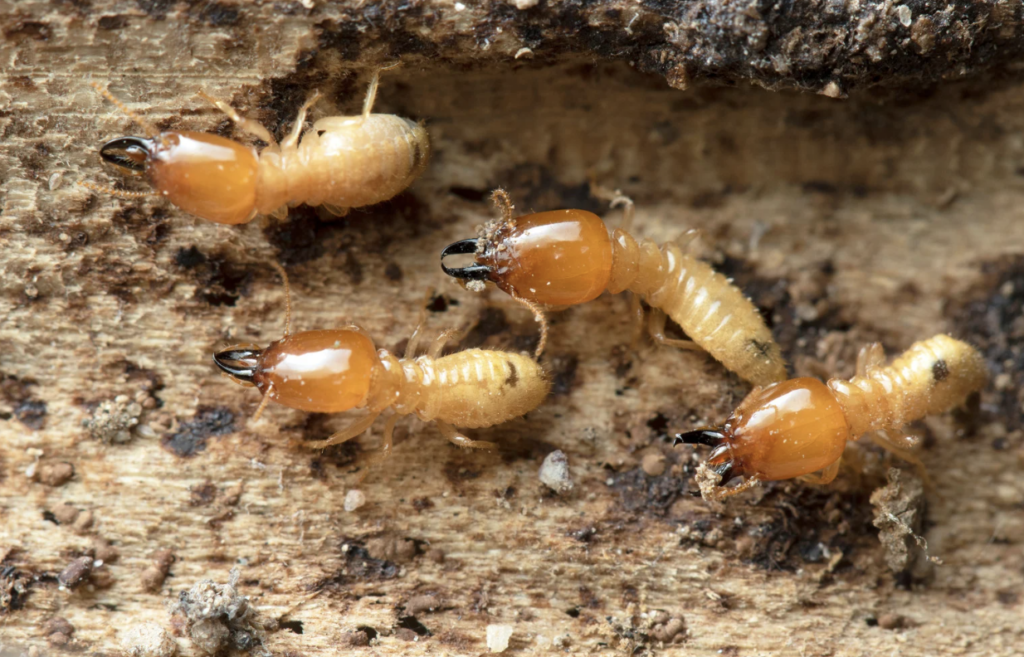
These invisible dangers can be particularly alarming if not identified early.
Basements
Basements warrant equal scrutiny, particularly around window frames, door jambs, and wall studs. Pay attention to areas beneath sinks, around hot water systems, and near laundry facilities where moisture accumulates.
Skirting Boards
Skirting boards throughout your home create hidden pathways between walls and floors. Examine these closely for tiny mud trails, paint bubbling, or wood that feels soft when pressed. Window sills and door frames also require regular checks, as termites often exploit these timber-rich zones.
Attic Spaces
Attic spaces, though less commonly invaded, still need periodic inspection. Check roof timbers, rafters, and any stored wooden items for damage signs. Under-sink cabinets in kitchens and bathrooms combine wood and moisture—an irresistible combination for termite colonies seeking expansion opportunities.
It’s essential to remember that awareness is the first step in preventing termite infestations. The Termite Awareness Week serves as a reminder to homeowners about the importance of regular inspections and understanding the signs of termite activity.
When Should Professional Termite Inspections Be Considered?
Professional termite inspections Sydney services become essential the moment you spot any warning signs discussed earlier. Immediate action prevents minor infestations from escalating into structural disasters requiring tens of thousands of dollars in repairs.
Homeowners should schedule expert assessments in these specific situations:
- Upon discovering mud tubes along foundation walls or wooden structures
- When wood sounds hollow during routine tapping tests
- After finding discarded wings near windows, doors, or entry points
- Following swarming events where winged termites emerge from cracks
- Before purchasing property to assess existing termite damage and risk
- During seasonal peaks in spring and summer when termite activity intensifies
The technology gap between DIY inspections and professional evaluations makes a critical difference. Licensed pest control technicians deploy thermal imaging cameras that detect temperature variations behind walls, revealing hidden termite colonies without invasive drilling. These infrared devices identify heat signatures from termite activity that remain invisible to the naked eye.
Moisture meters provide another advantage, measuring humidity levels within timber and wall cavities. Termites thrive in damp conditions, so elevated moisture readings pinpoint high-risk zones requiring closer examination. Professionals correlate these readings with visual inspections to map infestation patterns accurately.
Expert inspectors access hard-to-reach areas like roof voids, subfloor spaces, and wall cavities using specialized equipment including borescopes and inspection mirrors. Their trained eyes recognize subtle damage indicators that untrained homeowners often miss—early-stage mud tunnels, faint wood discoloration, or microscopic frass deposits.
Annual professional inspections serve as preventative maintenance even without visible warning signs. Sydney’s humid subtropical climate creates year-round termite pressure, making proactive monitoring more cost-effective than reactive repairs. Properties with previous termite history, extensive landscaping touching foundations, or older wooden construction warrant inspections every six months.
It’s crucial to understand what happens during a professional termite inspection and why it’s an indispensable part of home ownership. For an in-depth look into the process of a termite inspection, including what happens during a termite inspection and why you can’t skip it, visit this link for more information.
What Preventative Measures Can Protect Homes from Termites?
Termite prevention Sydney strategies focus on eliminating conditions that attract these destructive pests. Creating an inhospitable environment for termites requires addressing moisture issues, managing wood storage, and maintaining proper ventilation throughout your property.
Moisture Control: The Foundation of Protection
Termites thrive in damp environments, making moisture management your first line of defense. Leaking pipes, dripping taps, and faulty gutters create the perfect breeding ground for colonies seeking water sources near their food supply.
Essential moisture control steps include:
- Repairing all plumbing leaks immediately, particularly under sinks and in bathrooms
- Cleaning gutters regularly to prevent water overflow near foundations
- Installing proper drainage systems to direct water away from the house
- Fixing any roof leaks that could dampen ceiling timbers
- Using dehumidifiers in naturally damp areas
Ventilation Improvements
Crawl spaces and subfloor areas often trap humidity, creating ideal termite habitats. Proper airflow reduces moisture accumulation and makes these spaces less attractive to termite colonies.
Install ventilation grilles in crawl spaces to promote continuous air circulation. Ensure existing vents remain unblocked by debris, garden beds, or stored items. Attic spaces benefit from ridge vents or whirlybird installations that expel warm, moist air before it condenses on wooden structures.
Strategic Wood Storage Practices
Storing firewood, timber offcuts, or garden mulch directly against your home essentially provides termites with a bridge from ground level to your house structure. Termite Pest Control Sydney Experts Explain the Most Common Warning Signs often begin with improper storage creating direct access points.
Safe storage guidelines:
- Position firewood stacks at least 6 meters from the house
- Store timber on raised platforms rather than directly on soil
- Keep mulch layers thin (under 75mm) and away from foundations
- Remove tree stumps, dead roots, and buried timber from your yard
- Avoid using wood-based garden edging near the house perimeter
Chemical Barriers and Physical Deterrents
Applying chemical termite barriers to exposed timber creates a protective zone that
How Do Professional Pest Control Services Eradicate Termite Infestations Effectively?
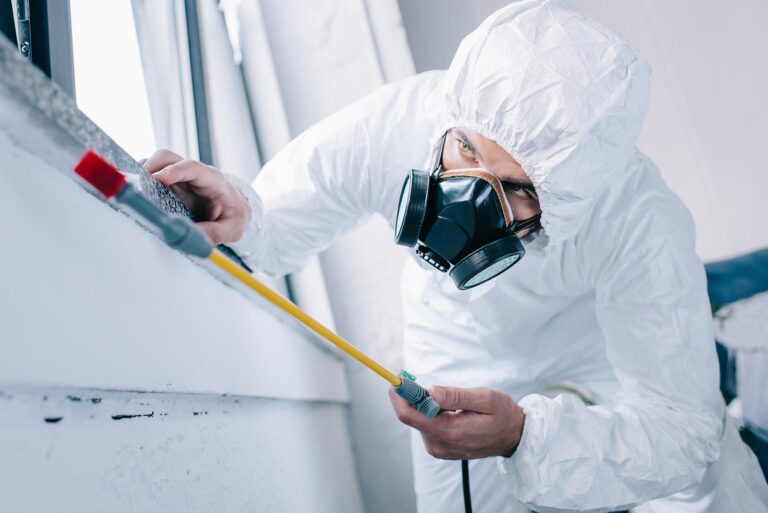
Professional termite treatment Sydney specialists employ advanced technology and proven methods to eliminate termite colonies completely. These experts use specialized equipment that goes far beyond what homeowners can access, ensuring accurate detection and targeted treatment.
Advanced Detection Technology
Pest control professionals rely on sophisticated tools to identify the full extent of termite activity:
- Thermal imaging cameras detect temperature variations within walls and structures, revealing termite movement patterns and hidden colonies that visual inspections might miss
- Moisture meters pinpoint areas with elevated humidity levels where termites thrive, helping experts identify both active infestations and vulnerable spots
- Acoustic emission detectors pick up subtle sounds of termite feeding activity within walls and timber structures
- Borescopes allow technicians to inspect inside wall cavities and tight spaces without causing significant structural damage
These diagnostic tools create a comprehensive map of the infestation, enabling technicians to develop targeted treatment strategies rather than applying blanket solutions.
Tailored Treatment Solutions
Sydney pest control experts select treatment methods based on infestation severity, colony location, and property characteristics:
- Termite baiting systems work by placing monitoring stations around the property perimeter. Once termites discover the bait, they carry the slow-acting toxicant back to their colony, eliminating the entire population including the queen. This method proves particularly effective for properties where liquid treatments aren’t suitable.
- Liquid termiticide barriers involve applying specialized chemicals to the soil around and beneath structures. These barriers either repel termites or eliminate them upon contact, creating a protective zone that prevents future infestations. Professionals inject the treatment into the ground at strategic points, ensuring complete coverage.
- Foam treatments reach termites in wall voids and hard-to-access areas. The expanding foam carries termiticide deep into infested spaces, coating galleries and tunnels where termites travel and feed.
- Dust formulations get applied directly into termite galleries and wall cavities. Termites spread the dust throughout their colony as they groom themselves and each other, achieving widespread elimination.
Treatment selection depends on factors like the colony’s size, accessibility of infested areas, proximity to water sources, and whether the property has sensitive landscaping features.
Conclusion
Protecting your Sydney home from termites requires a balanced approach that combines vigilance with professional expertise. Regular self-inspections allow you to catch early warning signs like mud tubes, hollow-sounding wood, and discarded wings before extensive damage occurs. These routine checks of foundations, crawl spaces, and wooden structures form your first line of defense.
Professional pest control services complement your efforts with specialized equipment and treatment methods that ensure complete eradication. Termite Pest Control Sydney Experts Explain the Most Common Warning Signs to empower homeowners, but detecting these indicators is only the beginning. Expert technicians bring thermal imaging technology, moisture detection tools, and targeted treatment solutions that address infestations at their source.
The most effective termite control tips Sydney professionals recommend include:
- Scheduling annual professional inspections regardless of visible signs
- Acting immediately when warning signals appear
- Maintaining moisture control and proper ventilation year-round
- Keeping detailed records of inspections and treatments
Sydney’s climate creates ongoing termite pressure throughout the year. Your proactive monitoring combined with expert intervention creates a comprehensive defense strategy. When you notice any warning signs discussed in this article, contact licensed pest control specialists who understand local termite behavior patterns and can implement solutions tailored to your property’s specific needs.
See Also: 7 Reasons Why You Need a Termite Specialist for Accurate Detection and Treatment